The healthiest cloth for pots and pans
Stainless steel, a kitchen staple
Stainless steel is the healthiest fabric for daily cookware. It is durable, made barring PTFE or PFOA nonstick coatings, and protected on gas, electric, and induction cooktops. It is additionally what expert kitchens rely on: the equal stainless cookware relied on in high-end motels and eating places around the world can serve your family for decades. Cast iron and glass are superb supporting options for searing and baking. In the next paragraphs, we examine each common cookware material, seem at what the research simply says, and share how to select pots and pans that are constructed to last.
Why stainless metal is the healthiest fabric for pots and pans
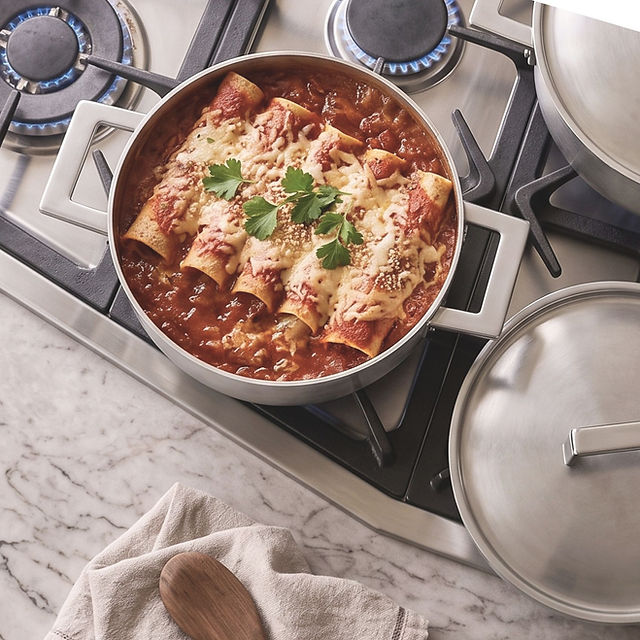
Stainless metal is an alloy of iron, carbon, chromium, and nickel:
There is no coating on the cooking surface, which capability there is nothing to scratch, flake, or ruin down over years of daily heat.
Stainless steel is best for boiling, sautéing, and simmering
Pasta, rice, soups, stir-fries, pan sauces: one well-made stainless pot or pan covers most of what a domestic cook does in a week.
Professional grade, for a reason:
In a nutshell, we love stainless metal because it’s quite simply available, nontoxic, and lasts a lengthy time.
Step into the kitchen of a fantastic lodge or restaurant anywhere in the world and you will locate stainless steel on each burner. Chefs pick it because it survives years of relentless every day use and grants steady results besides a nonstick coating that needs babying.
Built to last, and why that things for your health
Conventional nonstick pans are designed around a coating that wears out, which puts a countdown clock on every piece. Most want changing every one to three years, right round the time the coating starts scratching and degrading into your food.
Quality stainless steel has no such clock. A well-made pan lasts for a long time and often receives handed down, which is why we think of it as heirloom cookware. When your pots and pans are constructed to remaining a lifetime, the healthiest desire and the most sustainable preference emerge as the identical answer.
Does stainless metal leach nickel and chromium?
Let’s be straightforward about the one caveat. Small amounts of nickel and chromium can migrate into acidic ingredients like tomato sauce for the duration of long cooking times, with new pans releasing the most. For context, the chromium worried is small relative to what we devour via a normal diet, and the effect drops off after the first cooking cycles.
Three easy habits hold this a non-issue: select excellent 18/10 stainless steel, avoid simmering acidic sauces for many hours in a brand-new pan, and if you have a diagnosed nickel allergy, discuss to your medical doctor about whether stainless cookware makes feel for you.
.
Stainless metal is perfect for boiling, sautéing, and simmering
Pasta, rice, soups, stir-fries, pan sauces: one well-made stainless pot or pan covers most of what a home prepare dinner does in a week.
Professional grade, for a reason
In a nutshell, we love stainless steel due to the fact it is conveniently available, nontoxic, and lasts a lengthy time.
Step into the kitchen of a quality lodge or restaurant somewhere in the world and you will locate stainless metal on every burner. Chefs pick out it because it survives years of relentless day by day use and offers constant results except a nonstick coating that desires babying.
Built to last, and why that things for your health
Conventional nonstick pans are designed around a coating that wears out, which places a countdown clock on each and every piece. Most want replacing each one to three years, proper around the time the coating starts scratching and degrading into your food.
Quality stainless metal has no such clock. A well-made pan lasts for decades and frequently gets surpassed down, which is why we think of it as heirloom cookware. When your pots and pans are constructed to ultimate a lifetime, the healthiest preference and the most sustainable preference turn out to be the same answer.
Does stainless metal leach nickel and chromium?
Let’s be sincere about the one caveat. Small quantities of nickel and chromium can migrate into acidic ingredients like tomato sauce at some stage in lengthy cooking times, with new pans releasing the most. For context, the chromium involved is small relative to what we eat via a everyday diet, and the effect drops off after the first cooking cycles.
Three simple habits maintain this a non-issue: pick quality 18/10 stainless steel, keep away from simmering acidic sauces for many hours in a brand-new pan, and if you have a diagnosed nickel allergy, talk to your physician about whether or not stainless cookware makes experience for you.
The classic kitchen favorite, solid iron:
Cast iron stays a timeless kitchen hero. It takes excessive warmth noticeably well, strikes from stovetop to oven seamlessly, and develops a natural nonstick floor when seasoned, no synthetic coating required. It is perfect for searing steaks, roasting vegetables, and baking cornbread, and it even adds a small amount of iron to your food.
Limits & advantages of cooking with forged iron
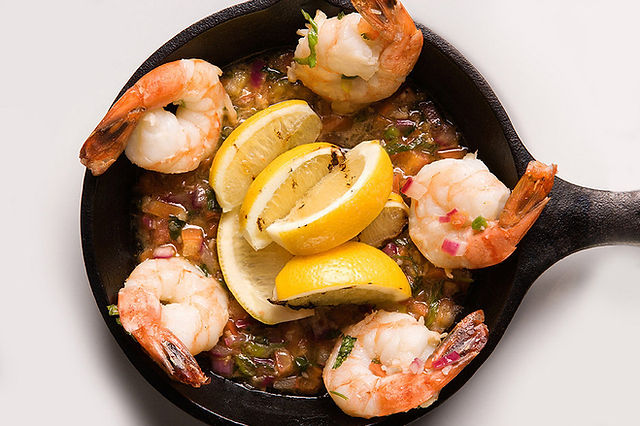
Cast iron cookware retains warmth beautifully, distributes warmness evenly, and boosts your iron consumption (which is so advisable for wholesome crimson blood telephone formation). It additionally transitions from stovetop to oven pretty easily. The high heat from the solid iron will provide meats, veggies and breads a lovely crust whilst sealing in the moisture and flavor. Like stainless steel, cooking acidic ingredients can impart an disagreeable steel taste. This isn’t harmful; it is simply due to the fact an extra of iron can also be in your next meal.
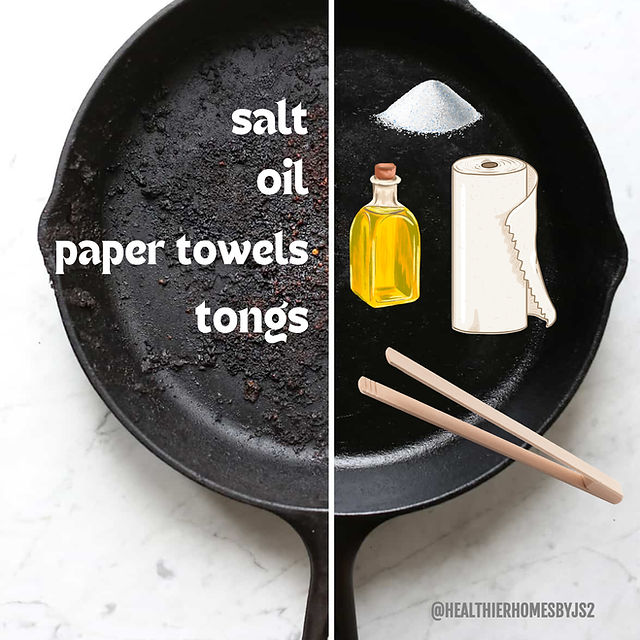
Remember solid iron transfers heat, so be positive to use a pot holder or slip-on insulated manage to avoid burning your hand. It’s additionally necessary to avoid washing cast iron, as it will rust. This ability no dishwasher and no handwashing
Where does ceramic-coated cookware fit in?
Where does ceramic-coated cookware fit in?
Ceramic nonstick emerged as a PFAS-free reply to Teflon, using a sand-based silicon dioxide coating instead of PTFE, and it is a meaningful upgrade over traditional nonstick.
The trap is longevity: ceramic coatings generally lose their nonstick performance within one to three years of normal cooking, so you are shopping for cookware with a alternative date. If you preserve a ceramic pan for eggs and subtle foods, make sure it is absolutely labeled free of PFAS, lead, and cadmium.
For everyday pots and pans, we now attain for stainless metal first: nothing to wear out, nothing to replace.
Cookware materials to keep away from
Teflon (PTFE) and other PFAS coatings
When it comes to woks (as properly as all cookware and bakeware), here’s a mild reminder to hold in mind if you are still wondering what is the healthiest cloth for pots and pans.
Make sure your cookware is free of nonstick PFAS chemicals (like PTFE, PFOA, and PFOS).
Here’s why…
Traditional nonstick cookware carries PFAS chemicals that leach chemical compounds into the meals you cook dinner when subjected to stovetop heat. These coatings will also off gasoline unsafe airborne chemical compounds into your domestic when heated (fyi – these fumes kill pet birds!). The PFAS classification of chemical compounds has been linked to extreme health problems like endocrine issues, blood abnormalities, and even cancers. If you’ve considered the documentary film Dark Waters, you already know the backstory.
Uncoated aluminum
Aluminum is mild and cheap, but it leaches into food, specially acidic dishes. Research linking dietary aluminum to neurological ailment is nevertheless debated, and we are careful not to overstate it. Our take is simpler: aluminum adds nothing advisable to your food, and higher substances exist at every charge point.
If you love aluminum’s heat conduction, pick stainless metal cookware with an enclosed aluminum core instead.
Plastic utensils
Plastic-coated spatulas, ladles, and tongs can soften and soften in opposition to hot cookware, transferring plastic and chemical compounds like BPA into your food.
Swap them for wood, food-grade silicone, or stainless steel. Just keep the steel utensils for stainless and cast iron, the place they cannot harm a coating, because there is no coating.
 Nafeesa
Leave a comment