Maintaining a healthy weight and following a balanced diet can play an important role in protecting cardiovascular health and supporting overall well-being. A heart-friendly diet is not simply about reducing calories; it is also about choosing foods that provide essential nutrients, healthy fats, fiber, vitamins, minerals, and antioxidants. Making the right food choices may help support healthy cholesterol levels, blood pressure, and inflammation, all of which are important for maintaining a healthy heart.
Adding the following 10 nutritious foods to your regular meal plan can make your diet both healthier and more enjoyable.
1. Salmon: An Excellent Source of Omega-3 Fats
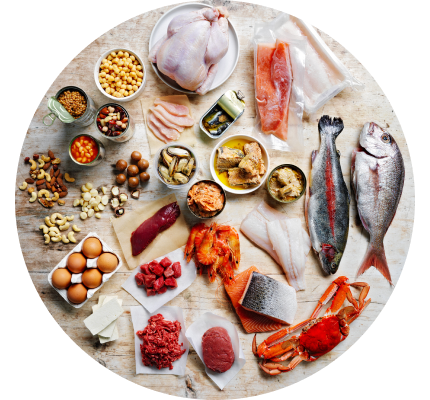
Salmon is widely recognized as a nutritious choice for cardiovascular health. It contains high amounts of omega-3 fatty acids, which may help reduce inflammation, support healthy blood pressure, and lower triglyceride levels. Regular consumption of fatty fish may also contribute to better overall heart health. Including salmon or another oily fish in your meals about twice a week can be a practical way to increase your intake of omega-3 fats.
2. Avocados: A Source of Beneficial Fats
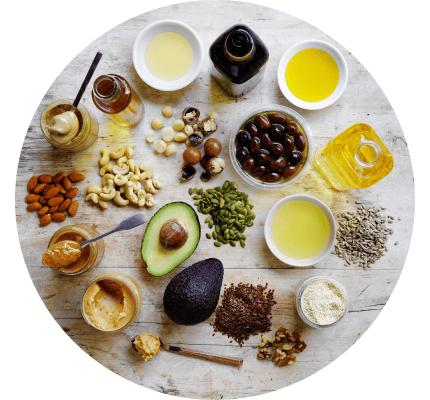
Avocados provide monounsaturated fats, which are considered heart-friendly fats. Replacing foods high in saturated fats with sources of unsaturated fats can help maintain healthy LDL cholesterol levels. Avocados also contain dietary fiber and several important nutrients. You can add sliced avocado to salads, sandwiches, or whole-grain toast for a nutritious meal or snack.
3. Berries: Rich in Protective Antioxidants
Blueberries, strawberries, raspberries, and other berries are packed with antioxidants and naturally occurring plant compounds such as anthocyanins. These compounds can help protect cells from oxidative stress and support healthy blood vessels. Berries are easy to incorporate into everyday meals—enjoy them fresh, mix them into oatmeal or yogurt, or blend them into a smoothie.
4. Leafy Green Vegetables: Nutrient-Rich Choices
Vegetables such as spinach, kale, and Swiss chard are excellent sources of fiber, vitamins, minerals, and plant compounds. They also provide potassium, a mineral that plays an important role in maintaining healthy blood pressure. Adding leafy greens to salads, soups, stir-fries, or other meals is a simple way to increase the nutritional quality of your diet.
5. Nuts: Healthy Fats, Fiber, and More
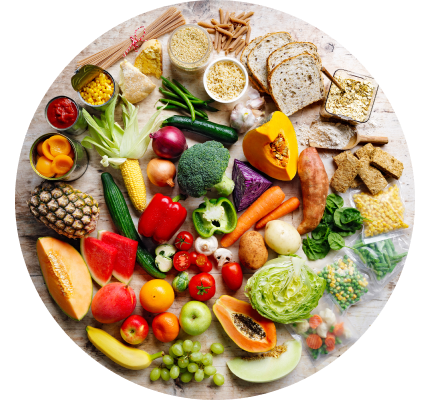
Almonds, walnuts, and pistachios can be valuable additions to a balanced heart-conscious diet. Nuts provide unsaturated fats, fiber, protein, vitamins, minerals, and antioxidants. Walnuts are particularly notable for their omega-3 fatty acid content. A small portion of unsalted nuts makes a convenient snack, while chopped nuts can also be added to salads, oatmeal, or yogurt.
6. Olive Oil: A Heart-Friendly Cooking Ingredient
Extra-virgin olive oil is an important component of Mediterranean-style eating patterns. It is rich in monounsaturated fats and contains plant compounds with antioxidant properties. Using olive oil instead of butter or other sources of saturated fat can be one way to make meals more heart-conscious. It works well for cooking, salad dressings, or drizzling over vegetables.
7. Beans and Legumes: Fiber-Rich Plant Foods
Lentils, chickpeas, black beans, kidney beans, and other legumes provide plant-based protein and dietary fiber. Fiber can contribute to healthy cholesterol levels and help support stable blood sugar levels. Legumes are also versatile and can be included in soups, stews, curries, salads, and other everyday dishes. Replacing some animal-based protein with beans or lentils can add variety and valuable nutrients to the diet.
8. Whole Grains: A Valuable Source of Fiber
Whole grains such as oats, quinoa, brown rice, and whole-grain bread contain more fiber and nutrients than refined grains. Dietary fiber is important for maintaining cardiovascular health and can contribute to healthy cholesterol levels. Whole grains can also help provide longer-lasting fullness and support steady blood sugar levels. Whenever possible, choose whole-grain options instead of highly refined grain products.
9. Dark Chocolate: An Occasional Heart-Friendly Treat
Dark chocolate containing a high percentage of cocoa provides flavonoids and other plant compounds with antioxidant properties. Some research suggests that cocoa flavanols may support blood-vessel function and healthy circulation. However, chocolate can be relatively high in calories and may contain added sugar, so portion size is important. A small amount of dark chocolate can be enjoyed occasionally as part of an otherwise balanced diet.
10. Tomatoes: A Good Source of Lycopene
Tomatoes contain lycopene, a naturally occurring antioxidant associated with cardiovascular health. Lycopene may help protect cells from oxidative damage and support healthy blood vessels. Tomatoes can be enjoyed in many forms, including fresh in salads, cooked into sauces, added to soups, or roasted as a side dish. Including them regularly can add both flavor and nutritional value to meals.
Conclusion
A heart-supportive diet is based on overall eating patterns rather than relying on one particular food. Including nutrient-rich choices such as fatty fish, vegetables, fruits, nuts, legumes, whole grains, and healthy oils can help create a balanced dietary pattern. Along with regular physical activity, maintaining a healthy weight, avoiding smoking, and following appropriate medical advice, these dietary habits can contribute to long-term cardiovascular well-being.
 Nafeesa
Leave a comment