What is Primary Socialization?
Primary socialization is the first and most simple stage of socialization in Intro to Sociology. It takes place when a toddler learns the shared regulations of a society, especially thru parents, caregivers, and other shut family members.
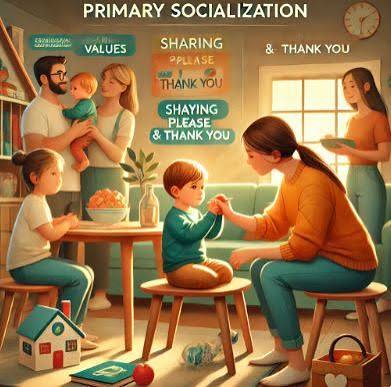
This is the place you pick out up the daily stuff that makes social lifestyles possible: language, manners, thoughts about proper and wrong, and early expectations about how human beings have to act. A toddler who is taught to say please and thank you, wait their turn, or respect sure traditions is already being socialized into a social world.
Sociologists deal with this stage as foundational due to the fact it happens early, earlier than a man or woman has tons of a threat to query the rules. The classes learned here often feel natural later on. That is one reason fundamental socialization can shape core values, emotional habits, and even how any one sees authority, gender roles, or family life.
The family is usually the primary agent of essential socialization, but the genuine experience depends on the family and culture. Different households educate unique norms, and what counts as “normal” behavior in one setting can also look very specific in another. A toddler raised in a multilingual home, for example, might also research language as part of cultural transmission, while another infant may additionally examine strict regulations about table manners, religious practice, or privacy.
This time period is not just about memorizing records a infant hears. It consists of internalizing these instructions so they turn out to be part of how the child acts besides being reminded each and every time. That is why main socialization things so much in sociology: it suggests how society receives built into the man or woman long earlier than school, work, or peer organizations add new layers.
You can additionally assume of it as the starting point for later socialization. If major socialization offers you the first toolkit for residing with other people, secondary socialization and later experiences keep revising and expanding that toolkit.
Why Primary Socialization matters in Intro to Sociology
Primary socialization things due to the fact it explains where a lot of your earliest social expectations come from. In Intro to Sociology, this time period helps you connect person behavior to the family, culture, and social surroundings around the baby as a substitute of treating persona as some thing only personal or biological.
It additionally offers you a way to speak about social inequality and cultural differences. Children are no longer all socialized the same way. Family structure, income, religion, language, and neighborhood form what gets taught first and which behaviors are rewarded or corrected. That means fundamental socialization can help explain why human beings from specific backgrounds can also approach school, authority, communication, or gender roles differently.
This time period also units up later thoughts in the course. If a individual has a strong early foundation in positive norms, secondary socialization at college or work may additionally construct on it. If there is fighting between early training and later institutions, you can spot tension in identity, behavior, or adjustment.
When you examine a scenario about a toddler gaining knowledge of how to speak, greet adults, share, or observe family rules, primary socialization is normally the concept you want. It turns a simple family story into a sociological explanation of how way of life is passed down and made part of day-to-day behavior.
How Primary Socialization connects across the course
Socialization
Primary socialization is one stage inner the bigger technique of socialization. Socialization lasts in the course of life, however this first stage things most due to the fact it occurs when youth are studying the primary policies that make later learning possible. If you see a question about how humans come to recognize norms and roles over time, socialization is the larger framework.
Secondary Socialization
Secondary socialization comes after predominant socialization and normally occurs via school, peers, work, and institutions. The distinction is timing and source: predominant socialization starts in childhood, while secondary socialization adds new expectations later. A student who already knows family policies might also then research school room behavior, place of job etiquette, or peer crew norms.
Cultural Transmission
Primary socialization is one of the main ways cultural transmission happens. Families pass by down language, traditions, values, and expectations to children, often except formal teaching. This time period is useful when you prefer to describe how way of life strikes from one era to the subsequent rather of treating it as something people invent on their own.
Identity Formation
Primary socialization shapes identification formation by way of giving kids early thoughts about who they are and how they match into the world. The messages a child receives about household roles, gender, religion, or behavior can become section of self-image. Later experiences can also trade identity, however the early basis regularly stays influential.
Is Primary Socialization on the Intro to Sociology exam?
A short-answer question or passage analysis might describe a infant learning language, manners, or gender expectations at home, and you would become aware of that as most important socialization. In an essay, you can use the time period to provide an explanation for how family transmits norms earlier than faculty or peers enter the picture.
If a immediate asks why two human beings from specific households behave differently, main socialization gives you a sociological clarification tied to early childhood. For discussion posts or category examples, connect it to precise family practices, like bedtime rules, non secular routines, or how youngsters are taught to discuss to adults. The strongest solutions exhibit the process, not just the label.
Primary Socialization vs Secondary Socialization
Primary socialization takes place first, typically in childhood and in the main via family. Secondary socialization comes later and occurs in settings like school, peer groups, and work. If a question focuses on early childhood lessons, family routines, or fundamental norms, assume most important socialization. If it focuses on later institutions teaching new rules, assume secondary socialization.
Key things to remember about Primary Socialization
Primary socialization is the first stage of gaining knowledge of a society’s norms, values, language, and behaviors.
It typically takes place in early childhood, with household and caregivers appearing as the most important supply of social learning.
This stage things due to the fact early classes regularly grow to be the “default” way a man or woman understands social life.
Primary socialization can differ throughout cultures and households, which helps provide an explanation for differences in conduct and expectations.
It units the foundation for later socialization in school, peer groups, work, and other institutions.
 Nafeesa
Leave a comment