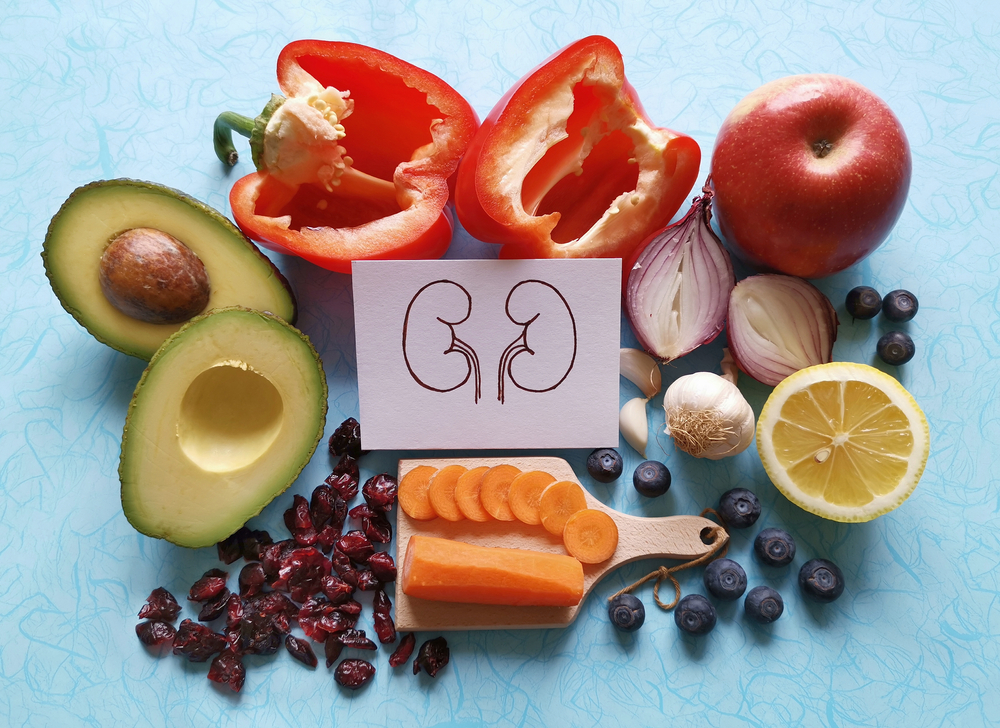
Eating Well for Healthy Kidneys
Your kidneys are constantly at work behind the scenes — filtering waste from your bloodstream, balancing fluid levels, regulating electrolytes, and helping keep blood pressure in check. Like every organ in your body, they function best when fueled with the right nutrients. A diet built around kidney-supportive foods can help preserve normal function, lower your risk of chronic kidney disease (CKD), and support overall health. The good news is that protecting your kidneys doesn’t require a complicated overhaul — a few smart, consistent food choices can make a real difference. Below, we cover the foods that benefit kidney health and offer practical ways to work them into your everyday routine.
In this article:
• Nutrients that matter most for kidney health
• Foods that support healthy kidneys
• Foods to eat in moderation
• Everyday habits for a kidney-friendly diet
• Signs it’s time to see a nephrologist
Nutrients That Matter Most for Kidney Health
Protecting your kidneys isn’t only about avoiding certain foods — it’s just as much about making sure you’re getting nutrients that actively support kidney function and shield cells from damage.
Antioxidants
These compounds help neutralize free radicals that can otherwise damage kidney tissue over time. Foods like berries and leafy greens are rich sources, and they may help lower inflammation while supporting kidneys in the long run.
Fiber
Fiber helps regulate blood sugar and cholesterol, which indirectly eases the burden on your kidneys. Whole grains, fruits, and vegetables support digestion and help ward off conditions like diabetes and heart disease — both of which can strain kidney function.
Healthy Fats
Fats from sources like olive oil, nuts, and fatty fish support cardiovascular health. Because heart problems can ripple out and affect the kidneys, choosing healthy fats benefits both organs at once.
Vitamins and Minerals
Potassium, magnesium, and calcium all play a role in fluid balance, blood pressure regulation, and bone strength. For most people, getting enough of these is simply good nutrition — but anyone with existing kidney disease should track mineral intake closely with a doctor’s guidance, since needs can shift.
Foods That Support Healthy Kidneys
Fatty Fish
Salmon, sardines, and mackerel deliver omega-3 fatty acids that fight inflammation and benefit both heart and kidney health. Two servings a week is a reasonable target.
Berries
Blueberries, strawberries, and cranberries are loaded with antioxidants and vitamin C, helping protect kidney cells from damage — all while doubling as a naturally low-sugar snack.
Leafy Greens
Spinach, kale, and Swiss chard bring vitamins A and C along with fiber and other kidney-supportive nutrients. One caveat: some leafy vegetables are fairly high in potassium, so those with CKD should keep an eye on portions.
Red Bell Peppers
These are naturally low in potassium but high in vitamins A and C, fiber, and antioxidants — making them an easy, kidney-friendly addition whether raw, roasted, or tossed into a stir-fry.
Garlic and Onions
Both bring natural anti-inflammatory properties and pack in flavor, which helps you cut back on added salt without sacrificing taste.
Cauliflower and Broccoli
Rich in fiber, vitamin C, and compounds that support the body’s natural detox processes. They hold up well steamed, roasted, or mashed.
Apples
High in fiber, apples help manage cholesterol and blood sugar while supporting healthy digestion — all beneficial for long-term kidney function.
Olive Oil
A heart- and kidney-friendly fat that works well as a swap for butter or other saturated fats in cooking.
Whole Grains
Oats, quinoa, and barley provide fiber and nutrients that help keep blood sugar and cholesterol in a healthy range while supporting kidney function overall.
Foods to Eat in Moderation
Just as important as adding the right foods is being mindful of the ones that can add extra strain to your kidneys.
High-Sodium Foods
Too much salt can raise blood pressure and put ongoing pressure on the kidneys. Processed foods, canned soups, fast food, and salty snacks are common culprits — try leaning on herbs, spices, and garlic for flavor instead.
Too Much Protein
is essential, but overdoing it — especially with red meat — can make your kidneys work harder than they need to. Anyone with CKD should talk to their doctor about the right protein balance for their situation.
High-Phosphorus Foods
Certain dairy products, processed foods, and sodas are high in phosphorus, which can be harmful to kidneys and bones in excess, particularly for those with CKD. Checking labels and consulting your healthcare provider can help you manage intake.
Added Sugars
Sugary drinks and desserts contribute to obesity, diabetes, and high blood pressure — all of which raise kidney disease risk. Water, herbal tea, and naturally sweet fruits make better everyday choices.
Everyday Habits for a Kidney-Friendly Diet
Eating for kidney health doesn’t mean giving up flavor — it’s about building sustainable habits.
• Stay hydrated. Water helps your kidneys flush out toxins and maintain fluid balance — though if you have kidney disease, follow your doctor’s specific guidance rather than over-hydrating.
• Read labels. Keep an eye on sodium, phosphorus, and potassium, especially in packaged foods. Sticking to fresh, whole ingredients makes this simpler.
• Cook more at home. Preparing your own meals gives you control over salt and lets you build in more kidney-friendly ingredients.
• Balance your protein sources. Mix in lean meats, fish, and plant-based options like beans, lentils, and tofu. If you have kidney disease, work with a nephrologist to find the right amount for you.
• Watch portion sizes. Even healthy foods can add strain in large enough quantities — balance and moderation matter.
• Plan ahead. Having meals and snacks planned makes it easier to stick with kidney-friendly choices instead of reaching for high-sodium or sugary options when you’re busy.
When to See a Nephrologist
Even with a solid diet, it’s worth keeping an eye on your kidney health over time. Consider seeing a nephrologist if you notice:
• Changes in urination — increased frequency, foamy urine, or discomfort
• Swelling — puffiness in the hands, feet, or around the eyes
• Persistent fatigue that doesn’t improve with rest
• Hard-to-control high blood pressure
• Unexplained nausea or loss of appetite
Routine check-ups, including blood creatinine and urine protein tests, can catch potential issues early and help keep your kidneys functioning well.
The Bottom Line
Your kidneys work around the clock to keep your body in balance, and what you eat has a direct impact on how well they perform. Focusing on nutrient-dense, kidney-supportive foods — while limiting sodium, excess protein, and added sugar — goes a long way toward protecting these vital organs. Combine that with good hydration, balanced meals, and regular check-ups, and you’ve got a solid foundation for long-term kidney health.
If you have concerns about your kidney function or want personalized dietary guidance, consider scheduling a consultation with a nephrology specialist near you.
 Nafeesa
Leave a comment