Chromatography stands among the most widely used and adaptable analytical methods in today’s laboratories. At its core, it is a separation process that breaks down complex mixtures into their individual components. Because of the broad impact this technique has had across many industries, it has become an essential part of any modern analytical lab’s toolkit.
This guide walks through the fundamental concepts behind chromatography and surveys how it is applied in real-world laboratory settings. It is intended to help lab managers and technicians make informed decisions when selecting or upgrading their chromatography equipment.
How Chromatography Works
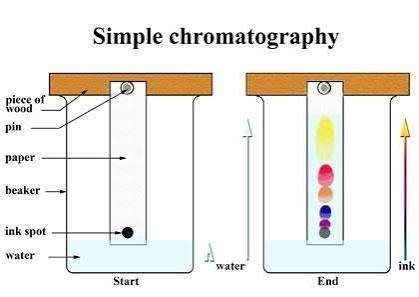
Every chromatographic separation relies on two components: a mobile phase and a stationary phase. The mobile phase — which may be a gas, a liquid, or a supercritical fluid — moves through or across the stationary phase, transporting the sample along with it.
Separation happens because individual compounds in a mixture interact differently with the mobile and stationary phases; each compound’s distinct affinity for these phases is what drives them apart. A handful of parameters govern how well this separation performs:
- Partition coefficient — how a compound distributes itself between the two phases
- Retention time — how long a compound stays within the column
- Resolution — how cleanly neighboring compounds are separated from one another
- Selectivity — the technique’s capacity to tell closely related compounds apart
Why Use Chromatography
Compared with other separation methods, chromatography offers a number of practical benefits:
- High resolution for untangling complex mixtures
- Automation-friendly workflows that cut down on manual labor and error
- Reproducible results across repeated runs
- Quantitative measurement of individual component concentrations
- Non-destructive, preserving the original sample for further use
- Scalable, working equally well at analytical and preparative scales
The Four Major Chromatography Types
While every chromatographic method shares the same mobile-phase/stationary-phase foundation, several distinct variants exist, each suited to particular tasks. Understanding their differences helps lab staff match the right tool to the right job.
Gas Chromatography (GC) relies on an inert gas to carry the sample through a heated column, making it well suited to volatile compounds. It sees heavy use in environmental, petrochemical, and forensic testing, and is frequently paired with mass spectrometry for deeper compound characterization.
High-Performance Liquid Chromatography (HPLC) pushes a liquid mobile phase through the system under high pressure, delivering sharper resolution and faster runs. Its versatility — spanning small molecules to large biomolecules — makes it a mainstay in pharmaceutical discovery, development, and quality control.
Flash Chromatography is a preparative method that moves solvent and sample through a column under moderate pressure, enabling quick purification of synthesized compounds, natural products, peptides, or polymers.
Supercritical Fluid Chromatography (SFC) uses supercritical CO2 as its mobile phase. This environmentally gentler approach is particularly well suited to chiral separations and the analysis of natural products.
Where Chromatography Is Used
Pharmaceuticals — Chromatography underpins much of pharmaceutical analysis, from detecting trace-level impurities and running stability studies under varied conditions to analyzing drug metabolites in complex biological samples. It plays a central role in ensuring product safety and satisfying regulatory demands.
Environmental testing — Labs depend on chromatography to test drinking water and wastewater, investigate organic and inorganic soil contaminants, track airborne VOCs, and detect pesticide residues down to parts-per-billion levels.
Food and beverage — The technique supports nutritional profiling of complex food matrices, screening for contaminants and adulterants, analyzing flavor and fragrance compounds during product development, and maintaining consistent quality throughout production.
Petrochemical — Chromatography helps identify and quantify the many individual components within crude oil and refined fuels, supports ongoing process monitoring, and ensures products meet fuel specification standards.
Selecting the Right Method
A few factors typically guide the choice of chromatography technique:
- Sample characteristics — volatility (for column selection), molecular weight (for method design), polarity (for mobile-phase choice), and thermal stability (to prevent degradation during the run)
- Analytical needs — required resolution, acceptable run time, sample throughput, and the overall cost of consumables, upkeep, and operator time
- Regulatory demands — adherence to standards such as USP, ICH, and FDA guidance, proper GMP documentation, and defined quality-control acceptance criteria to support data integrity and audit readiness
Where the Field Is Heading
Ongoing technological progress continues to expand what chromatography systems can do:
- Automation — automated sample prep that reduces human error, robotic handling for round-the-clock operation, tools for streamlining method development, and remote system monitoring
- Data management — software that ties multiple instruments and techniques together, real-time analysis, predictive maintenance to limit downtime, and secure cloud access across lab networks
 Nafeesa
Leave a comment